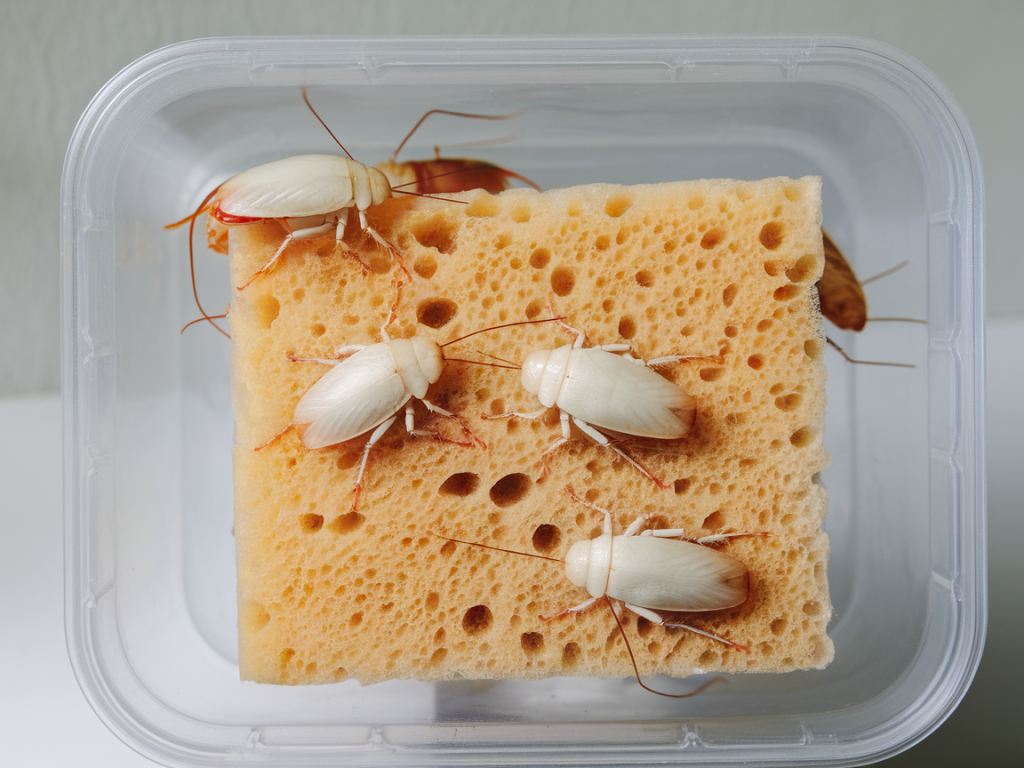
I write about markets, trends and practical problems, and I’ve come to appreciate that seemingly small issues—like a sudden household pest—can ripple into larger business and personal costs. In this article I’ll walk you through how to reconnaître et traiter les blattes claires, share inspection techniques I’ve used and researched, and outline an action plan to eliminate infestations while minimizing disruption to your home or workplace.
Why this matters — impacts beyond the kitchen
Blattes claires (often called yellow or light-colored cockroaches) can indicate young nymphs of common species or adults of particular subspecies that have paler coloration. From a market-research perspective, infestations lead to measurable costs: property devaluation, restaurant and retail reputational damage, health risks and repeated pest-control expenses.
- Estimated costs: pest control for an average household infestation in many Western countries ranges from €100–€500 for initial treatment and inspection, with follow-ups adding €50–€200 annually (varies by region and severity).
- Health note: roaches are associated with allergens; the EPA and public-health agencies report links to asthma exacerbation in children. See CDC and EPA guidance for general pest-allergy info.
What are blattes claires? Identification basics
When I talk about how to recognize blattes claires, I focus on observable traits and context:
- Color: pale yellow, light tan or translucent compared to the familiar dark brown German cockroach; sometimes the paleness is due to molting.
- Size: nymphs typically 3–7 mm soon after hatching, growing to 10–15 mm as they develop; adults can be 10–15 mm depending on species.
- Wings: nymphs have no fully developed wings; adults may show reduced or full wings depending on species.
- Behavior: nocturnal, fast-moving, hide in crevices, attracted to food, moisture and warmth.
Tip: Newly molted cockroaches appear very light for several hours before darkening. Distinguishing between a recently molted common roach and a naturally pale species is critical for correct treatment decisions.
Where to look — inspection checklist
I always start with a methodical sweep. Here’s my inspection checklist that you can follow in under an hour:
- Kitchen: under sinks, behind appliances, inside cupboards and drawers.
- Bathrooms: behind toilets, under vanities, around drains and pipes.
- Basement/utility areas: around boilers, water heaters, laundry machines.
- Storage and cardboard boxes: roaches love paper and cardboard for harborages.
- External entry points: cracks in foundations, window frames, gaps around pipes.
Use a flashlight and a mirror for tight spaces. If you spot pale roaches in multiple stages (eggs cases, nymphs, adults), you likely have an established infestation.
Signs of infestation — what proves the problem
Beyond visual sightings, look for these telltale signs:
- Fecal specks: small black or brown dots resembling coffee grounds or pepper.
- Oothecae (egg cases): elongated capsules, often brown; species-specific shapes vary.
- Smear marks: oily streaks on walls or baseboards in high-traffic roach areas.
- Musty odor: at heavy infestation levels, a persistent oily odor can be noticeable.
Step-by-step plan to treat and eliminate blattes claires
My approach blends immediate action, targeted treatments, and prevention to avoid repeat infestations.
- 1. Sanitation: Remove food sources — store dry goods in sealed containers, clean crumbs, fix leaky pipes, remove standing water. Sanitation alone reduces roach populations over weeks.
- 2. Exclusion: Seal cracks, install door sweeps, plug gaps around utility lines. I use silicone caulk and metal mesh for larger holes.
- 3. Baits and gels: Place bait stations and gel baits near harborage sites. These are effective because roaches share poisoned food. Brands I’ve seen work: Advion, Maxforce (follow label instructions).
- 4. Insect Growth Regulators (IGRs): Use IGRs to prevent nymphs from maturing and reproducing. They’re essential in breaking life cycles.
- 5. Targeted sprays and dusts: Crack-and-crevice treatments with insecticidal dust (diatomaceous earth or silica-based dust) can reach hidden harborage. Apply dust sparingly in voids.
- 6. Professional pest control: If infestation is widespread or persists despite DIY measures, call a licensed pest control operator. Expect 2–4 visits over several months for German and other persistent species.
Comparing treatments — pros and cons
| Treatment | Pros | Cons | When to use |
|---|---|---|---|
| Baits / gels | Low exposure to humans/pets; effective long-term if consumed | Slow-acting; requires roach to feed and return to nest | Indoor kitchens, behind appliances |
| IGRs | Breaks reproduction cycle; minimal acute toxicity | Not immediate kill; works best with baits | Established infestations |
| Insecticidal dusts | Persistent in voids; reaches hidden spaces | Can be messy; improper use risks exposure | Wall voids, basements, attics |
| Fumigation / professional sprays | Rapid reduction in population | Costly; requires vacating premises; no residual control | Severe, building-wide infestations |
Prevention plan — long-term habits to keep them away
Prevention is where most households save money. My prevention checklist:
- Keep counters and floors crumb-free and promptly wash dishes.
- Store food in sealed, hard containers (glass or heavy plastic).
- Empty indoor trash daily and keep outdoor bins sealed.
- Fix leaky plumbing and reduce humidity with dehumidifiers if needed.
- Inspect incoming boxes and second-hand furniture for signs before bringing them inside.
When to call a professional
If you notice any of the following, schedule a professional inspection:
- Multiple sightings in daylight (a sign of heavy pressure).
- Visible egg cases and roach nymphs in many rooms.
- Infestation in multi-unit buildings where neighbors are likely involved.
- Previous failed DIY attempts after 6–8 weeks.
Data and sources I used
For accuracy I cross-checked entomological and public-health sources. Highlights include:
- Centers for Disease Control and Prevention (CDC) — pest and asthma/allergy connections.
- U.S. Environmental Protection Agency (EPA) — guidelines on pesticides and integrated pest management (IPM).
- National Pest Management Association / PestWorld — practical treatment and prevention guidance.
- University Extension publications — species identification and lifecycle details.
Quick FAQs based on common search queries
- Are blattes claires more dangerous than regular cockroaches? Not necessarily; risk is similar—pathogen carriage and allergen production are the primary concerns regardless of color. However, lighter color can indicate immature roaches or specific species, which informs treatment choice.
- Can I use household sprays to eliminate them? Surface sprays kill on contact but rarely eliminate nests in voids. Use sprays as a complement to baits and dusts, not as a sole strategy.
- How long before I see results? With baits and sanitation, visible reductions often occur in 2–6 weeks; professional treatments can accelerate this timeline.
Real-world checklist I use as an operator
When advising businesses (restaurants, small retailers) I hand them this one-page checklist:
- Daily: clean floors, sweeping under equipment; wash visible grease.
- Weekly: inspect traps, replace baits; check drains and grease traps.
- Monthly: inspect storage areas and perimeter seals; document any sightings.
- Quarterly: schedule professional inspection if in a high-risk industry (food service).