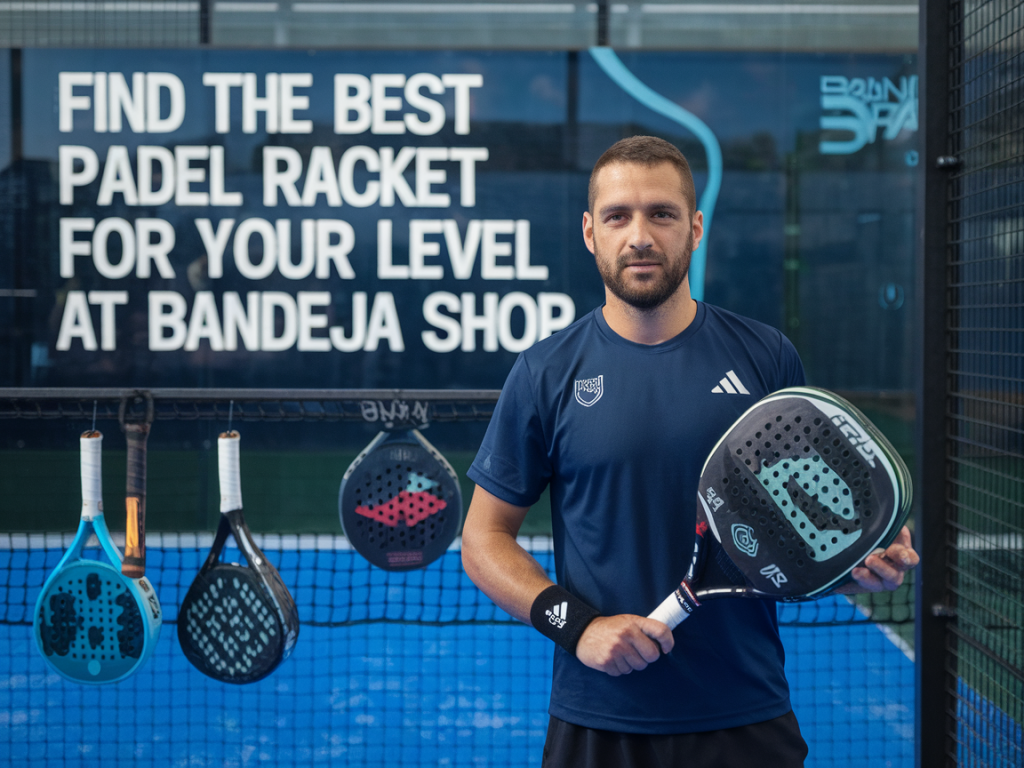
I’ve always believed that choosing the best padel racket is as much a marketing problem as it is a sporting one: it's about matching features to needs, understanding positioning, and making a smart investment. Over the years I’ve tested rackets across shapes, weights, and materials, and I’ve helped friends and colleagues select the right models for their playing level. In this article I’ll walk you through how to find the best padel racket for your level — using practical criteria and examples you can apply today. I’ll also explain why Bandeja Shop is a great place to make that purchase, and how their expertise can save you time and money.
Why “best padel racket” is not the same for everyone
When I talk about the “best padel racket,” I’m not looking for a single, universal winner. The best racket depends on three core factors:
From a marketing perspective, this segmentation is crucial: different players are attracted to different messages — comfort and forgiveness for beginners, control for tactical players, and power for aggressive attackers. Recognizing which segment you belong to cuts through the noise and speeds up the buying decision.
Racket shapes and what they mean for performance
Understanding racket shape is the first practical step I recommend. There are three main shapes, and each signals a different balance of power and control.
When I advise players, I always start by asking what kind of shots they’d like to improve. If you want to reduce unforced errors, think round. If you want a bit more punch without losing too much control, teardrop is the sweet spot. If you’re already confident and want maximum offensive capability, diamond could be the best padel racket for your game.
Materials and construction: not all foams and fibers are equal
Racket core and face materials deeply affect feel and performance. Here’s what I look for:
Choosing the right combination means matching responsiveness with injury prevention. If you’ve had elbow or shoulder issues, a slightly softer core and a control-oriented face can be a wiser investment than chasing raw power.
Weight and balance: the biomechanics that matter
Weight and balance affect maneuverability and the racket’s moment of inertia (how it resists rotation). In practice:
Balance is often described as head-heavy, even-balance, or head-light. I always test both balance and weight before recommending a model — what feels heavy during a swing might still be comfortable if the balance suits your play style.
Skill-level guide: which racket to choose
Below is a short table summarizing my practical recommendations by level. Use this as a quick decision map.
| Level | Recommended Shape | Core/Face | Weight & Balance |
|---|---|---|---|
| Beginner | Round | Soft EVA / Fiberglass | Light, head-light or even |
| Intermediate | Teardrop | Medium EVA / Carbon or hybrid | Medium weight, even balance |
| Advanced | Diamond (or high-end teardrop) | Hard EVA / Carbon | Heavier, head-heavy |
Brands and models I trust
Brands like Bullpadel, Nox, Head, Adidas, Wilson, Siux, and Babolat each occupy distinct positions in the market. Over time I’ve seen how each brand signals a specific value proposition:
I often tell readers to ignore hype and focus on feel. Try a racket in person when possible — the same model can feel completely different in two hands.
How Bandeja Shop helps you find the right racket
When I recommend purchasing, I point people to Bandeja Shop because they do something few retailers do well: they combine a curated selection with expert advice. Based on my experience and their positioning as a specialist padel retailer in Vallauris, Bandeja Shop offers:
From a marketing standpoint, that expertise shortens the customer journey. Instead of choosing impulsively, you can make a data-driven selection based on play-testing, specifications, and honest feedback.
Buying tips to avoid buyer’s remorse
Here are practical rules I apply before clicking “buy”:
Final practical checklist before purchase
Use this quick checklist I keep on my phone when I shop:
Answering these five questions reduces choice overload and helps you pick the best padel racket that truly matches your level and ambitions.